Do I Need a First Aid Certificate? Understanding Certification Requirements in Nova Scotia
Whether you’re a new employee, a long-time manager, a new parent, or just someone who wants to feel more secure in their community, the question of needing a First Aid Certification often comes down to two simple things: regulation and confidence.
For many people in Nova Scotia, the answer is a clear yes, mandated by your employer under Occupational Health and Safety rules. For everyone else, the answer is about having the practical ability to act when a loved one or a person nearby needs immediate help.
In this expert guide, we'll walk you through exactly what first aid training means for you, what the rules are here in Nova Scotia, and which of our training course options,from Basic (Emergency) First Aid to Basic Life Support (BLS), is the right fit for your life or career.
What is First Aid Training?
First aid is the overarching term for the immediate care given to someone who is ill or injured. First aid training provides foundational skills to stabilize situations and manage injuries. Within this, there are distinct training course options, such as basic first aid or intermediate first aid, depending on your required skill level and environment.
Why is First Aid Certification Important?
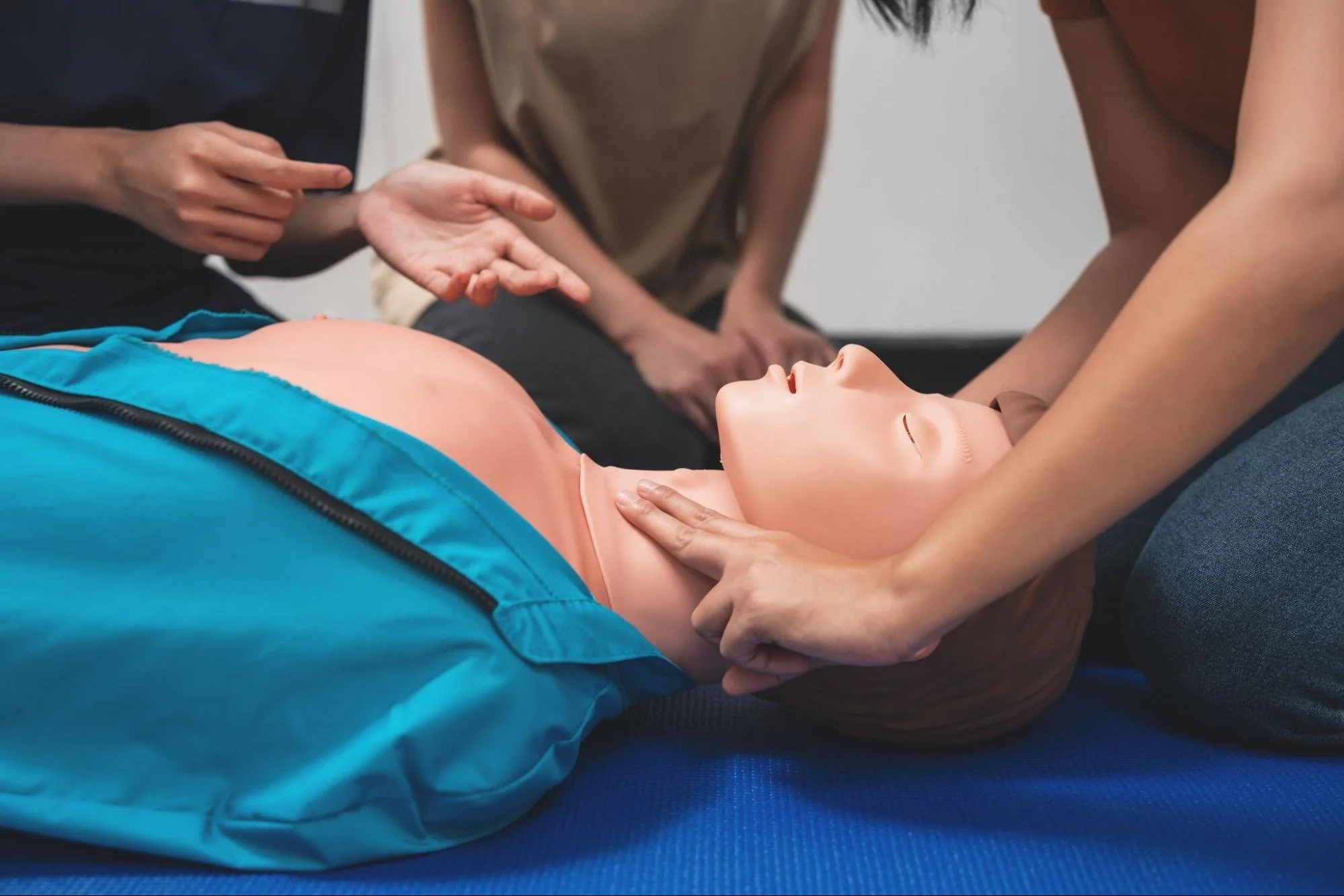
Taking a first aid training course equips you with the practical first aid procedures and knowledge needed to manage an unexpected emergency with immediate action. When a colleague or loved one experiences a sudden injury or cardiac arrest, your certified skills can stabilize their condition and ensure they receive optimal care until emergency medical services (EMS) arrive. This competency builds trust and significantly supports workplace health and safety.
The Benefits of a First Aid Certificate
A valid workplace first aid certificate is much more than a piece of paper; it’s an empowering tool. Gaining a certification card from accredited training agencies like the Canadian Red Cross offers tangible personal and professional advantages that extend far beyond simply meeting first aid regulations.
Compliance with OHS Regulations: A current certificate demonstrates adherence to provincial Occupational Health and Safety requirements. This is vital for maintaining a compliant workplace and is often a mandatory occupational first aid credential for specific roles.
Building Personal Confidence: Hands-on, scenario-based training gives you the skills to act, replacing panic with purpose. You gain the confidence to help with injuries like severe bleeding or choking before EMS arrives.
Reducing Accidents and Lost Time: Trained staff are more hazard-aware, actively reducing risks that require first aid services. A rapid response minimizes injury severity, which ultimately reduces employee recovery time and productivity losses.
Make sure you are prepared for medical emergencies in the workplace and your everyday life with a dedicated first aid course!
Do I Need a First Aid Certificate? Find the Right Certification for You
1. Basic (Emergency) First Aid
This essential first aid training equips you with the foundational skills to manage critical situations immediately. It’s a fast-paced, practical introduction that empowers you to help others until professional medical assistance arrives. Start building your confidence today.
Who it’s for: Anyone needing a quick, foundational overview of life-threatening emergencies. It is ideal for individuals wanting a core understanding of how to respond.
What you learn: Focuses on recognizing and treating immediate, life-threatening conditions. It covers key first aid procedures, such as CPR for infants, adults, and children, AED use, basic wound care, and more.
2. Intermediate (Standard) First Aid
This course deepens your knowledge, preparing you for a wide range of emergencies beyond immediate threats. It is the trusted training course for both personal readiness and some workplace requirements.
Who it’s for: This is ideal for non-clinical workplaces with more than 20-25 employees requiring comprehensive coverage and for any individual who wants a deep, scenario-based understanding of first aid. If your employer requires a comprehensive, two-day training course for Occupational Health and Safety (OHS) compliance, this is the right course.
What you learn: A deeper dive into responding to a wide variety of injuries, including those that aren't immediately life-threatening. The course includes extensive scenario-based skills practice, covering medical emergencies, burns, potential spinal injuries, and more. This course includes CPR-C certification.
3. Marine Basic First Aid
Working on the water requires a specialized skill set. This course is specifically designed to meet Transport Canada's training requirements, preparing you to deliver effective first aid in remote, resource-limited marine environments. Safety on the sea starts here.
Who it’s for: Our coastal community relies on marine professionals. If you work on the water, or just love spending time at sea, this is your course. It meets Transport Canada's training requirements for individuals needing basic first aid knowledge on vessels.
What you learn: Standard first aid skills adapted for a marine environment, where resources are limited and medical personnel are not immediately available. It's crucial for safety and meeting regulatory standards for those working offshore or in commercial fishing.
4. Basic Life Support (BLS)
Critical training for those who are expected to provide high-level resuscitation in a professional capacity. Focus on advanced techniques for managing cardiovascular emergencies, ensuring you can deliver rapid, effective care in a clinical setting.
Who it’s for: This training is essential for those who work in healthcare settings or are required to provide resuscitation in a professional capacity, such as nurses, paramedics, and other medical personnel. This is often referred to as BLS/CPR for Healthcare, but was formerly known as Level HCP.
What you learn: High-performance CPR, the use of an Automated External Defibrillator (AED), relief of choking for adults, children, and infants, and much more. It's focused on rapid, effective intervention in cardiovascular emergencies and cardiac arrest.
5. Babysitter First Aid
Gain real confidence and practical skills for caring for infants and children. This engaging training course goes beyond basic supervision, teaching young people how to prevent accidents and provide effective, age-appropriate first aid in their role.
Who it’s for: Young people looking to gain confidence and skills to care for children. It’s practical, engaging, and builds a sense of responsibility.
What you learn: Child-specific first aid, safety awareness, and responsible caring. It’s an excellent stepping stone for future training.
6. CPR/AED Level C
Focus your training exclusively on the critical skills of Cardiopulmonary Resuscitation (CPR) and using an Automated External Defibrillator (AED). This concise course is perfect for refreshing your skills and understanding CPR requirements.
Who it’s for: Anyone who primarily needs CPR and AED training. This is often taken alongside basic first aid or as a standalone refresher.
What you learn: CPR and how to use an AED for adults, children, and infants, ensuring you are prepared to respond to cardiac arrest, stroke, or breathing emergencies.
Keeping Your Certification Current: Recertification and Expiration
Your certification card isn't valid forever. First Aid Certifications in most Canadian jurisdictions, including Nova Scotia, is typically valid for three years (apart from BLS, which is valid for 1 year). This is a critical point: certification expiration is a real thing, and you should always keep an eye on the date on your card.
We offer a recertification course for many of our programs. These are shorter, designed to refresh your knowledge, update you on any new first aid regulations or best practices, and ensure your scenario-based skills are still sharp.
If you let your certification expire, you might be required to retake the full original training course. Don't let that happen!
Mark your calendar and book your recertification course well in advance.
How to Choose the Right First Aid Training for You
Navigating the world of First Aid Certification can feel complicated, especially when dealing with specific workplace requirements. We want to make sure you book the exact training course you need—no confusion, no delays.
Considerations when choosing your certification include:
Your Regulatory and Workplace Obligations
Always check your Nova Scotia OHS Regulation or employer requirements. Book the exact level of workplace first aid certificate to ensure compliance.
The Environment Where You'll Be Using Your Skills
Consider your setting: urban, remote, or marine? Environments like the sea require specialized courses, such as Marine Basic First Aid, to address unique safety challenges and resource limitations.
Your Required Level of Knowledge and Detail
Decide if you need a foundational overview (Basic First Aid) or in-depth, scenario-based skills (Intermediate First Aid). Choose the level that genuinely builds your confidence and competence.
The Specific People You Are Likely to Help
If you want to be prepared for the public, AED/ CPR-C certification is key. If you are a professional medical personnel, you should book the specialized Basic Life Support (BLS) for high-level care.
Your Certification Expiration and Recertification Timeline
First Aid Certifications typically last three years (BLS is 1 year). Check your current certification card expiration date. Plan ahead to book a recertification course before it expires to save time.
Not sure which course is right for you? Talk to our experts today!
Get Your First Aid Certificate in Nova Scotia with BraveHeart
We are BraveHeart First Aid. As a trusted local provider, we offer focused, hands-on training built to serve our community here in Nova Scotia. Our instructors don't just certify you; they give you the genuine competence and clarity needed to act confidently when someone nearby needs help. We provide a full range of accredited options designed to meet both personal and professional needs.