First Aid For Kids: A Guide for Parents, Carers and Babysitters
As parents, caregivers, and community members here in Nova Scotia, we all share the same priority: keeping our kids safe. From the small scrapes on the playground to more serious situations, knowing what to do in emergency situations isn't just helpful—it’s crucial.
In this guide, we'll explore how we can build our own confidence and knowledge around First Aid for children, grounded in the reliable protocols of the Canadian Red Cross. This isn't about being a medical expert; it's about being prepared, calm, and effective when your child, or a child in your care, needs you most.
Building Your First Aid Foundation: Principles and Preparedness When Caring for Kids
The core of helping a child, or anyone, in an emergency lies in a few simple First Aid principles. Before we even think about bandages or CPR, we need to focus on assessment and safety.
1. Safety First, Always
The very first step in any emergency is ensuring the scene is safe for you and the child. This is a crucial element in First Aid training. A quick scan, sometimes called Spot the Danger, helps you avoid becoming a second casualty. Only once the scene is safe should you approach the child.
Remember, your safety first aid supplies should include things like gloves, to protect you from bodily fluids, and you should always follow a standard approach, managing the immediate situation before diving into specific treatments.
2. Calling for Medical Help
If a child is seriously injured or unwell, your immediate action might be calling for medical help. In Nova Scotia, the primary emergency number is 911. Knowing when to call is just as important as knowing how to treat. If a child is unresponsive, having difficulty breathing, has heavy bleeding, or you suspect a serious injury (like a broken bone or head trauma), call 911 immediately. Tell the dispatcher exactly where you are and what happened.
3. Your Essential First Aid Kit
Every home and every caregiver in Nova Scotia needs a well-stocked first-aid kit. This isn't just a container of old bandages. A good kit, aligned with Red Cross recommendations, should include:
Sterile gauze pads and adhesive tape
A variety of bandages for small cuts and scrapes
Disposable gloves
Antiseptic wipes and hand sanitizer
A barrier device for rescue breathing (like a pocket mask)
Scissors and tweezers
A cold pack
Burn gel/cream
Pain relievers (non-aspirin for children)
Any necessary personal medication
A clear list of emergency contacts
Always check expiry dates and replenish your safety first aid supplies regularly! We also recommend keeping a few water bottles in your emergency supply kit, not only for hydration but for rinsing wounds if clean running water isn't available.
Addressing Common Child Injuries and Emergencies
Many of the emergencies we face with kids involve common child injuries, but it's vital to know how to handle the more critical scenarios as well, especially cardiovascular emergencies and breathing emergencies.
Choking: Recognizing the Signs of Choking
Choking is terrifying, but knowing the signs and correct protocol can make all the difference. The signs of choking include a child being unable to speak, cough, or cry, making a wheezing or high-pitched sound, or clutching their throat.
The Red Cross recommends a sequence of 5 back blows followed by 5 abdominal thrusts for children (or chest thrusts for infants) until the object is dislodged.
Heavy Bleeding
For heavy bleeding, the goal is to control the blood loss. Apply firm, direct pressure to the wound using a sterile dressing or clean cloth. If bleeding doesn't stop, add more layers—do not remove the blood-soaked material. If an arm or leg is involved, and you don't suspect a fracture, elevation can help. Keep the child warm and calm while you await medical help.
Unresponsive Child: Checking for Signs of Life
If you find a child unresponsive, follow the standard Canadian Red Cross check-call-care pattern.
Check the scene for danger and the child for responsiveness and signs of life.
Call 911 (or have someone else do it).
Care—if they are not breathing, begin CPR immediately. For a non-breathing child, remember that immediate high-quality CPR is paramount. Knowing CPR/AED Level C is the gold standard for anyone caring for children.
The Recovery Position
If an unconscious child is breathing and does not have a suspected head, neck, or spinal injury, placing them in the recovery position helps keep their airway open and prevents them from inhaling fluids like vomit. The correct technique is covered extensively in most training courses.
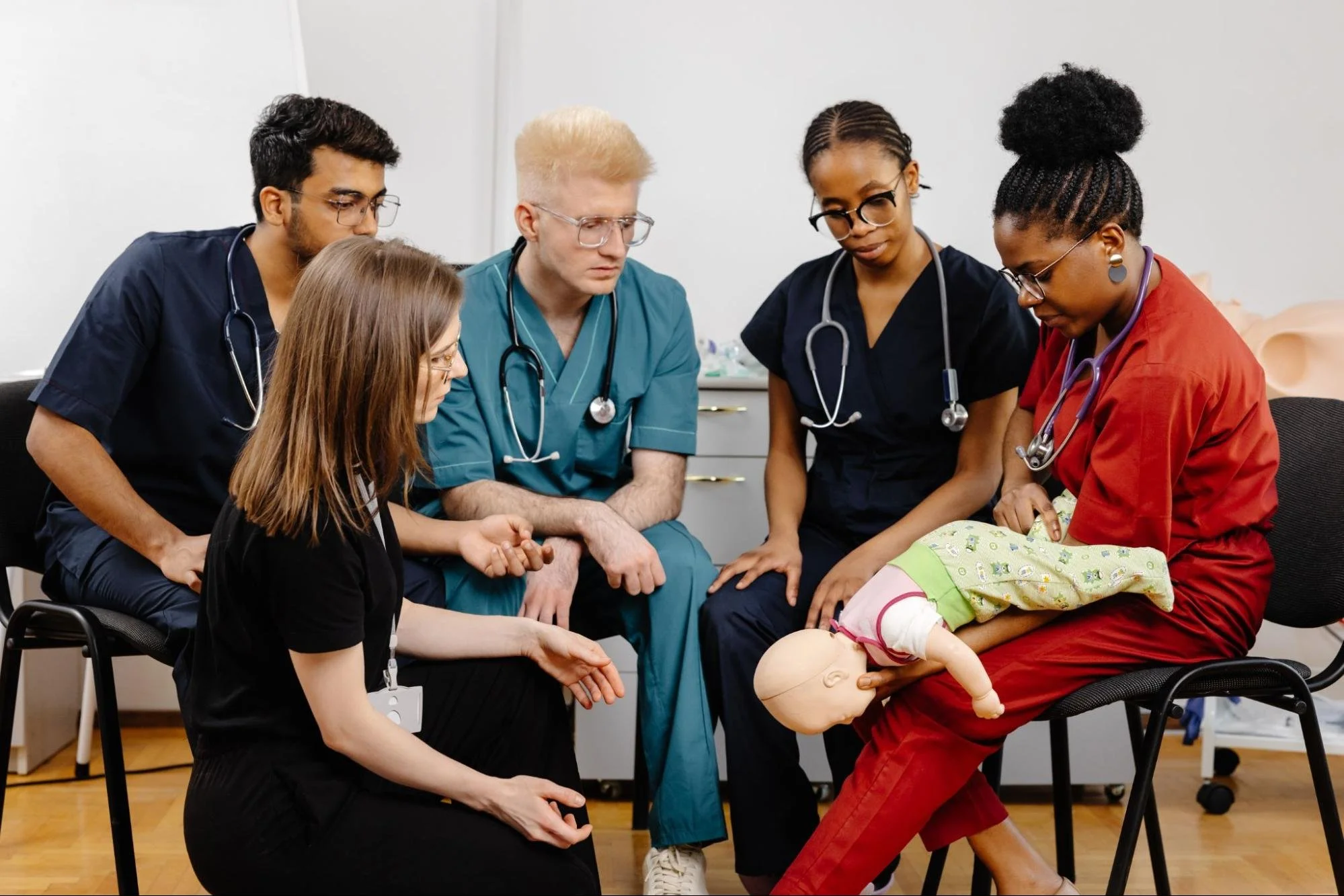
Make sure you are always prepared for a medical emergency involving kids until EMS arrive
Dedicated Skills: First Aid Training for Babysitters
First Aid training isn't just for adults—it is equally important for the tweens and teens who step up as babysitters. Babysitting is a significant responsibility that requires genuine confidence and real-world skills. For young people in Nova Scotia aged 11–15, specialized training is a fantastic way to prepare for their first job.
Our Babysitting Course is a focused, one-day experience designed to instill First Aid principles and caregiving certification:
What You'll Learn In a Babysitting First Aid Course
Our course covers essential First Aid and caregiving topics, preparing young people for the unexpected:
How to care for babies and young children
Setting boundaries and building trust
What to do in common emergencies
Healthy meals and feeding basics
Creating safe play and home environments
Leadership, communication, and asking for help
Basic first aid and when to call 911
Being prepared for the unexpected (emergency preparedness)
This focused course helps young people understand not just the mechanics of care, but the communication and leadership skills necessary for navigating the role. It’s a dedicated path to becoming a responsible, prepared caregiver.
Taking the Next Step: Your First Aid Training Options
Knowledge is power, and formal First aid training is the best way to move from reading an article to feeling truly prepared. Here are some of the excellent training courses offered in Nova Scotia that align with the Canadian Red Cross standards:
Intermediate (Standard) First Aid: A comprehensive First Aid course suitable for some workplace requirements and general confidence in dealing with adult and child emergencies.
CPR/AED Level C: This focused course covers the crucial steps for cardiac and breathing emergencies for adults, children, and infants, including the use of an Automated External Defibrillator (AED). Essential for anyone providing child care first aid.
Babysitting Course: As mentioned, this is specifically for ages 11–15, teaching kids how to care for other kids and infants in the case of a medical emergency.
These courses provide hands-on practice, helping you build muscle memory and true competence so you can act decisively whether you're at home, at the park, or anywhere with children.
Not sure which first aid course is right for you? Talk to our experts today!
Learn First Aid for Kids and More at BraveHeart First Aid
At BraveHeart, we're dedicated to building real confidence across Nova Scotia, ensuring you’re ready to step effectively. We offer a comprehensive suite of Red Cross certified training courses, from our foundational Intermediate (Standard) First Aid to specialized programs like the Babysitting Course and CPR/AED Level C.
Our approach is always hands-on and human, giving you the practical skills needed to calmly navigate any Emergency situations—at home, at work, or in your community.