What is an AED? Understanding Automated External Defibrillator Use
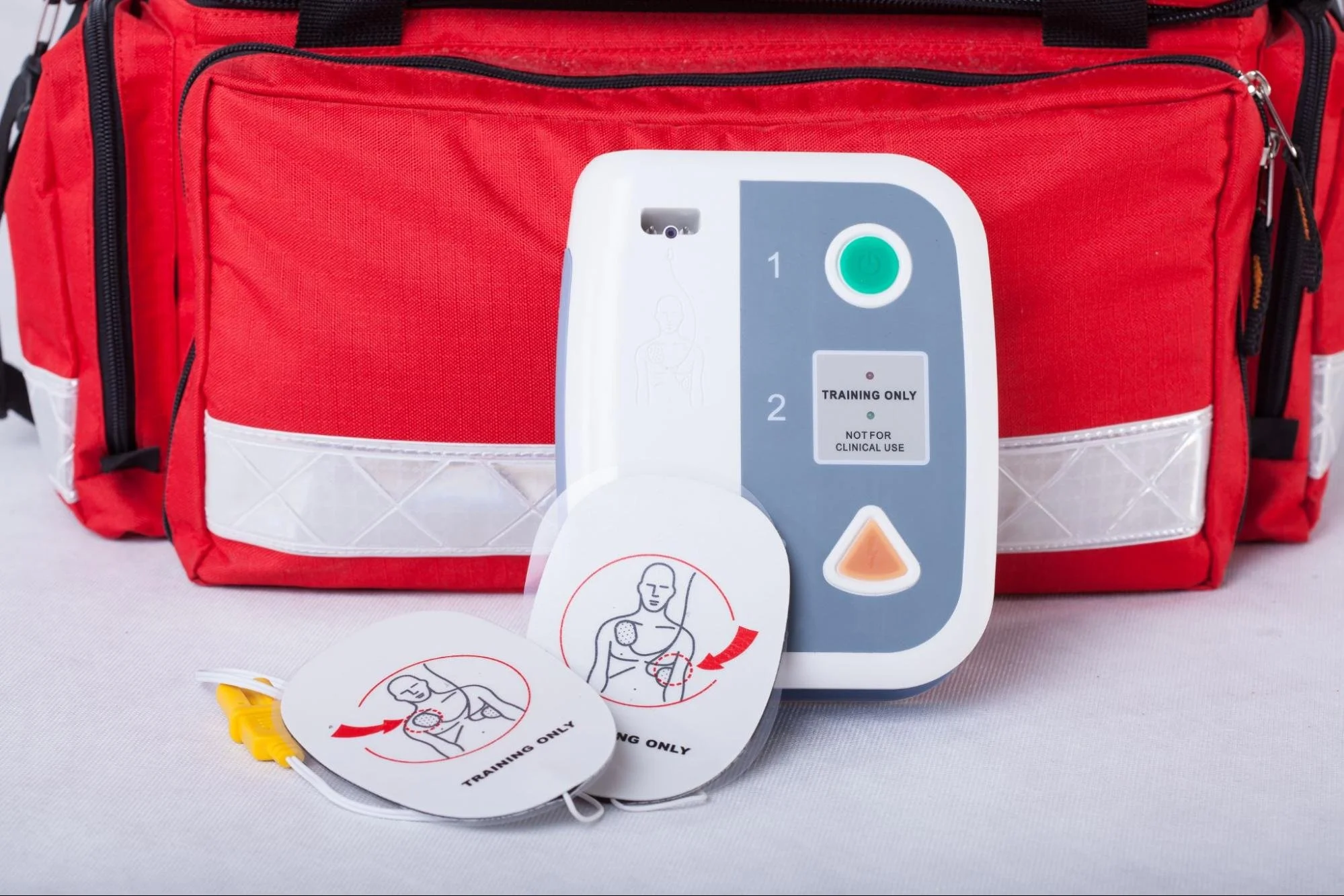
An automated external defibrillator (AED) is one of the most critical links in the chain of survival for a victim of Sudden Cardiac Arrest (SCA). This portable, life-saving medical device is designed to be used by trained lay rescuers and first responders to treat a life-threatening abnormal heart rhythm.
Mastering the use of an AED is a fundamental skill that can dramatically improve the survival rate of victims in our Nova Scotia community. Our guide will delve into what an AED is, how it works, and the importance of training programs like those offered by the BraveHeart in Nova Scotia. Keep reading to learn more!
What is an Automated External Defibrillator (AED)?
An Automated External Defibrillator (AED) is a portable, life-saving medical device used to treat Sudden Cardiac Arrest (SCA). It analyzes the patient's heart rhythm to detect chaotic electrical activity. If a shockable rhythm is found, the AED delivers a therapeutic electric shock to restore a normal rhythm, dramatically increasing the victim's survival rate.
Understanding Sudden Cardiac Arrest and the AED
Sudden Cardiac Arrest (SCA) occurs when the heart’s electrical activity becomes chaotic, preventing it from effectively pumping blood. This condition, which is distinct from a heart attack, can happen to anyone, anywhere, regardless of age or existing heart disease or other medical conditions. The primary cause of SCA is often an electrical malfunction of the heart known as a cardiac arrhythmia
Shockable Rhythms: The AED's Target
An AED is engineered to analyze the heart's electrical pattern and identify two main shockable rhythms:
Ventricular Fibrillation (VF or V-Fib): This is the most common cause of SCA. In V-Fib, the ventricles, the lower chambers of the heart, simply quiver instead of contracting effectively. This stops blood circulation and blood flow to the brain and other vital organs.
Ventricular Tachycardia (VT or V-Tach) (pulseless): This is a very rapid, often unstable, heart rhythm that doesn't allow the heart chambers enough time to fill with blood before contracting. Sustained V-Tach can quickly degenerate into V-Fib.
When these rhythms occur, defibrillation is a key treatment, which involves delivering a controlled electric shock to the heart. This momentarily stuns the heart, hopefully allowing its natural pacemaker to reset and re-establish a normal heart rhythm. Without immediate intervention, the chance of survival decreases by approximately 7-10% every minute (Source).
How the Automated External Defibrillator Works
An automated external defibrillator (or public access defibrillator, PAD) is designed to be user-friendly, providing the people of Nova Scotia with clear visual and verbal instructions (voice prompts) to guide the rescuer through every step of the rescue response.
Step-by-Step Use of an AED
Preparation: The first responder must first recognize the emergency situation, call for help (emergency medical services), and initiate bystander CPR until an AED is available.
Application: The rescuer turns on the lightweight device and applies pad electrodes (sticky pads) to the patient's bare chest following the diagrams on the pads. Pediatric pads must be used for children under a certain age or weight to deliver a reduced, appropriate level of energy to prevent potential harm during pediatric cardiac arrest. The correct pad placement is crucial for the device to work effectively.
Analysis: Once the pads are connected, the AED performs a heart rhythm analysis. It uses sophisticated biphasic algorithms to determine if the detected electrical activity corresponds to a shockable rhythm.
Shock Delivery: If a shock is advised, the device will charge and instruct the user to press the flashing shock button. Crucially, the AED will not allow a shock to be delivered if the heart rhythm is normal or if the rhythm is not treatable by defibrillation, ensuring user safety and preventing inappropriate shocks.
The entire sequence of calling emergency medical technicians and applying the AED, along with high-quality chest compressions, if needed, forms the crucial steps of the chain of survival. The faster the response time and the earlier the defibrillation, the greater the survival chance.
Be as prepared as possible if you ever need to use an AED by taking one of our first aid courses!
The Importance of First Aid Training in Nova Scotia
While AEDs are designed to be intuitive, attending a training course is invaluable for building the necessary confidence and competency to act decisively during a crisis.
Red Cross Programs Taught by BraveHeart First Aid:
The Red Cross programs we teach that cover AED use include:
CPR/AED Level C – Focused training on CPR and AED use for all ages (adult, child, and infant).
Basic (Emergency) First Aid – A one-day course designed for lower-risk workplaces and individuals seeking everyday lifesaving knowledge and skills.
Intermediate (Standard) First Aid – A comprehensive two-day course frequently required in many Nova Scotia workplaces under OHS law.
Basic Life Support (BLS) – Advanced training specifically for healthcare providers, with a strong focus on CAB and high-performance team resuscitation.
Take a First Aid Course With BraveHeart to Learn More About AED Use
At BraveHeart First Aid, we deliver Canadian Red Cross-certified programs, providing comprehensive first aid training courses right here in Nova Scotia. Our wide range of courses includes essential CPR training and hands-on instruction in using an Automated External Defibrillator (AED).
We are dedicated to empowering you with the life-saving skills needed to confidently act as a first responder during an emergency situation, enhancing the overall survival rate in our community.