Why is First Aid Important for Students? The Benefits of First Aid Certifications for Nova Scotia Youth
In the vibrant communities of Nova Scotia, safety is a shared responsibility. While we often think of first responders as those in uniform, the reality is that the first person on the scene of a medical emergency is frequently a student or teacher.
Empowering our youth with First Aid education does more than just tick a box for a resume; it builds a stronger, more resilient school community. By following the Canadian Red Cross guidelines, students in Nova Scotia can transform from bystanders into capable lifesavers.
Why is First Aid Important for Students?
The school community is a dynamic environment where hundreds of individuals interact daily. Whether in a classroom, a laboratory, or at a local recreation center, the risk of injury is always present. When a student or faculty member becomes injured, those with First Aid training can provide immediate emergency assistance.
By integrating First Aid education into a student's professional development, we empower a new generation of first responders. These individuals aren't just bystanders; they are capable helpers who can manage wound bandaging for minor cuts or recognize the signs of a life-threatening cardiac arrest.
Why First Aid Skills Matter for Nova Scotia Students
Nova Scotia faces unique challenges, including varying response times for emergency services in rural versus urban areas. In some parts of the province, an ambulance may take longer to arrive due to geography or weather. This makes first aid proficiency a necessity rather than an elective.
Improved Patient Outcomes: Immediate care can significantly reduce recovery time and prevent a condition from worsening.
Confidence in Crisis: Students who undergo a training course gain the confidence to act rather than freeze during a medical emergency.
Community Resilience: When more youth possess emergency response skills, the entire province becomes safer and better prepared for disasters.
Life-Long Lifestyle Habits: Learning safety early fosters a culture of caution and care that lasts a lifetime.
Empower your students with life-saving skills today. Contact BraveHeart First Aid to book your training
Common Emergencies Students in Nova Scotia Face
Nova Scotia's climate and geography contribute to specific types of incidents that students should be prepared for. Enrolling in a Canadian Red Cross-certified first aid course ensures that the response to emergencies is consistently available.
Sports-Related Injuries
Nova Scotia’s active youth often face sprains or fractures during hockey or soccer games. Students trained in injury management provide essential support by stabilizing limbs and applying ice, which reduces swelling and prevents long-term damage.
Allergic Reactions
Severe allergies to things like peanuts or stings require rapid action within the school community. Trained students recognize early symptoms and use epinephrine auto-injectors immediately, saving lives before emergency medical services arrive at the campus location.
Choking Incidents
Cafeterias are high-risk areas where choking incidents can occur during lunch breaks. Knowing how to perform abdominal thrusts is a vital lifesaving instruction that allows students to clear a peer’s airway effectively and safely.
Environmental Emergencies
Atlantic Canada’s extreme weather, from freezing winters to humid summers, poses risks like frostbite or heatstroke. Students must know how to stabilize a peer’s body temperature and provide emergency assistance during these seasonal shifts.
Playground Injuries
Recess often leads to playground injuries like scrapes or minor falls. Providing quick wound bandaging and emotional support helps younger students recover faster while ensuring the injury remains clean and free from any potential infection.
Equip your youth to handle Nova Scotia’s unique challenges. Enroll in our comprehensive safety courses now
What Do Students Learn in a First Aid Course?
In Nova Scotia, specialized Basic First Aid Training programs through partners like BraveHeart First Aid transform teens into capable first responders. These Canadian Red Cross courses provide a supportive environment where young learners move from bystanders to confident lifesavers, mastering the hands-on skills sessions necessary to manage crises with maturity.
Action Plan and Safety: Students learn to stay calm while identifying environmental risks and contacting emergency medical services. This foundational knowledge ensures they can manage a medical emergency safely without putting themselves in danger.
Injury/Illness Assessment: Participants practice how to safely check an injured person for breathing, circulation, and responsiveness. This critical skill allows youth to determine the correct emergency assistance required for various situations.
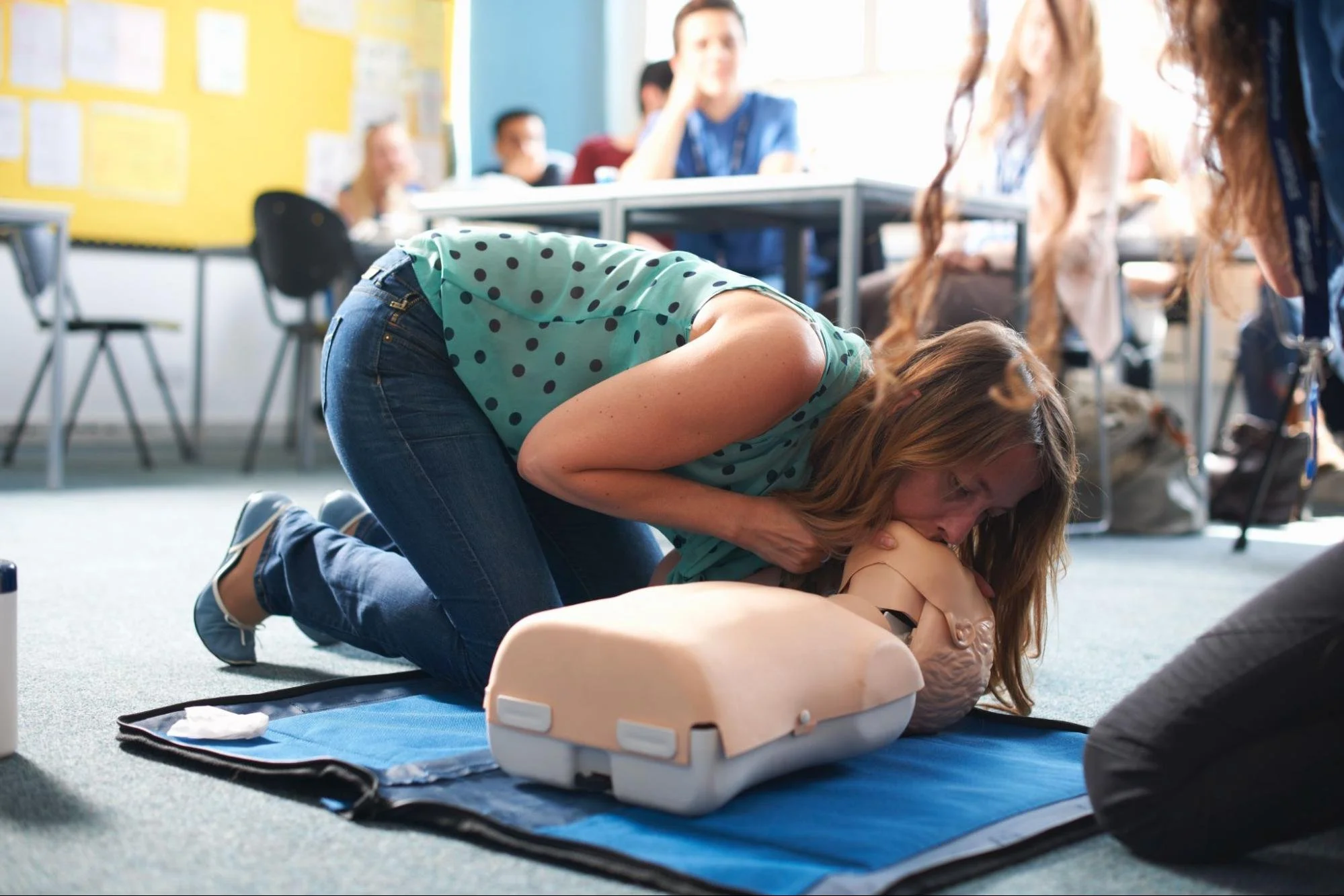
Cardiopulmonary Resuscitation (CPR): Training courses teach students to confidently perform cardiopulmonary resuscitation for adults, children, and infants. Mastering CPR Level C ensures they provide vital support during a sudden cardiac arrest event.
Automated External Defibrillator (AED): Learners gain the practical skills to operate Automated External Defibrillators with confidence. Integrating an AED into their emergency response significantly improves patient outcomes during sudden cardiac arrest at school.
Injury Management: Students master essential First Aid skills for treating bleeding, burns, and fractures. From wound bandaging to stabilizing sports-related injuries, they learn to prevent further harm while awaiting professional paramedics.
Master CPR and AED skills with BraveHeart. Build a safer school community by enrolling your students
Why Choose BraveHeart as Your First Aid Certification Provider for Students?
At BraveHeart First Aid, we pride ourselves on being more than just a certification provider; we are a dedicated Canadian Red Cross training partner committed to empowering Nova Scotia’s youth. Our certified instructor team treats every student with respect, fostering a sense of calm, capability, and mastery.
By offering one-day hands-on skills sessions, we ensure that students gain the practical First Aid Skills and confidence needed to act decisively as first responders in any real-world medical emergency.