What is Mental Health First Aid? How to Help Your Community During Mental Health Episodes
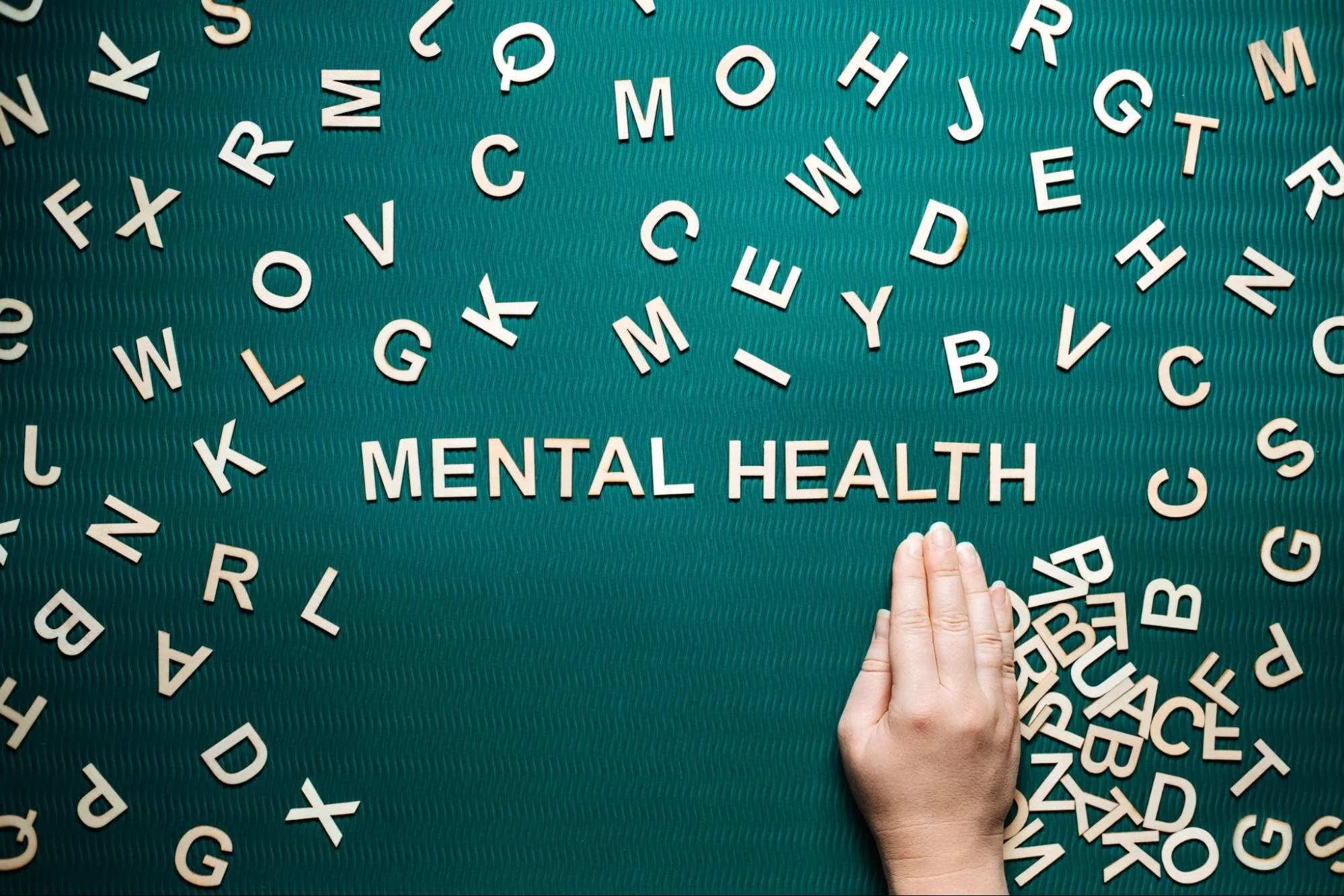
Mental health is just as vital as physical health, yet many of us feel unsure of how to help when a friend, colleague, or stranger shows signs of decline. Much like Standard First Aid/CPR, Mental Health First Aid (MHFA) provides the practical tools needed to offer initial assistance.
At BraveHeart First Aid, we deliver MHFA Standard Training in Nova Scotia to help you bridge the gap between noticing a mental health problem and connecting someone to professional medical treatment.
What is Mental Health First Aid?
Mental Health First Aid is the help provided to a person developing a mental health problem, experiencing a worsening existing mental health condition, or navigating a mental health crisis.
Just as First Aid/CPR training teaches you to assist someone who is physically injured, this training course equips you with the skills to support someone’s mental well-being until professional help arrives or the crisis resolves.
The Importance of Mental Health Literacy
Developing a strong foundation in mental health literacy allows us to move beyond clinical labels and focus on the person. By understanding mental health disorders, we can identify signs of decline early and offer support that is genuinely helpful.
Earlier Recognition of Signs and Symptoms: Identifying a mental health problem in its early stages often prevents a situation from escalating into a full mental health crisis. Literacy helps us spot subtle changes in behavior quickly.
Reduction of Stigma and Discrimination: Understanding that mental illnesses, such as psychotic disorders or mood-related disorders, are manageable health conditions helps dismantle the shame that often prevents people from seeking professional medical treatment or help.
Improved Crisis Intervention Strategies: When you understand the mechanics of a panic attack or a psychotic episode, you can apply crisis first aid with confidence. This knowledge ensures your response is calm and effective.
Enhanced Empathic Communication Skills: Literacy empowers first aiders to use nonjudgmental listening. Knowing the right way to discuss suicidal thoughts or substance use creates a safe space for the individual to share their experience.
Navigation of Community Resources: A literate supporter knows how to bridge the gap between a mental health problem and professional support. You become a vital link to mental health support and appropriate treatment options.
Trade the guesswork for a clear, compassionate plan of action
What You Learn in a Mental Health First Aid Training Course
The course format is designed to be interactive and human-centered. Our training sessions focus on the ALGEES action plan—a framework used by first aiders to navigate crisis situations with confidence and care.
Identifying Signs and Symptoms
Participants learn to recognize the early indicators of mental health struggles, such as:
Anxiety and trauma-related disorders, including the onset of a panic attack.
Symptoms associated with psychotic disorders, such as a psychotic episode or entering psychotic states.
Behaviors linked to substance-related disorders and substance abuse, including the risks of a substance overdose.
Changes in mood that may signal trauma-related disorders or burnout syndrome.
Warning signs of deliberate self-harm, suicidal thoughts, or suicidal behaviour.
Crisis Intervention Strategies
When a mental health crisis occurs, knowing how to respond is essential. We cover crisis first aid for high-risk scenarios, including suicide prevention training and identifying suicidal behavior. By learning crisis intervention strategies, you can provide a calm presence and clear direction during mental health crises.
Learn the simple, practical steps to help someone feel seen and supported
Who Should Become a Certified Mental Health First Aider?
This training is for everyone. Whether you are looking for workplace mental health training or want to support your neighbors, the skills gained here apply to all community resources.
Human Resource Professionals and Workplace Leaders
Human resource professionals use this training to build robust support systems that prioritize mental well-being. By learning to recognize burnout syndrome and signs of decline, leaders can foster a healthy culture and connect employees to vital professional medical treatment.
Public Sector Employees and Government Workers
Government workers often interact with diverse populations in high-pressure environments. This certification provides the crisis intervention strategies needed to manage situations effectively, ensuring that every citizen interaction is handled with nonjudgmental listening and high levels of mental health literacy.
Frontline Support Staff and Community Advocates
As the first point of contact, frontline support staff are uniquely positioned to notice a mental health problem early. This training equips community advocates with the skills to de-escalate mental health crises and guide individuals toward appropriate community settings.
Mental Health Professionals and Healthcare Workers
Even mental health professionals benefit from the specific MHFA framework to refresh their empathic communication skills. It provides a standardized approach to crisis first aid, ensuring clear communication when helping patients navigate substance-related disorders or mood-related disorders.
Educators and Student Support Services
Those working in education frequently encounter eating disorders, anxiety problems, or trauma-related disorders in young adults. This course helps staff identify suicidal behaviour and provide immediate assistance, acting as a crucial bridge to long-term treatment and resources for students.
Think a mental health first aid course would benefit you or your loved ones? Book Now!
Why Choose BraveHeart First Aid for Your Mental Health First Aid Certificate?
Choosing a trusted provider in Nova Scotia is essential for building genuine confidence. We are committed to delivering efficient training programs that equip you with real-world crisis intervention strategies to support someone with mental health concerns or a developing mental illness.
Real Confidence Through Interactive Learning: Our small class sizes promote face-to-face interaction. We move beyond passive lessons, focusing on hands-on practice and scenarios that build lasting confidence to act during a mental health crisis.
Certification Made Accessible and Human: We make the certification program feel human, not clinical. By delivering the framework in a supportive style, we ensure you gain empathic communication skills without unnecessary stress or complex diagnostic labeling.
Focus on Post-Course Resilience and Support: We prepare you to assist others while maintaining your own resilience. The course emphasizes self-care strategies and healthy boundaries, ensuring you can draw on appropriate mental health resources effectively.